Mersel AI — Founder & Product Designer · 2026
Introducing Cite
Your dedicated website section that brings leads




A dedicated section on a brand's site, like yoursite.com/cite/, where we publish content that helps AI recommend the business to the right buyers.
When buyers ask ChatGPT about products like theirs, Cite gives the model the clear answers it needs to recommend the company and drive qualified leads.
It works alongside the existing website. No migration, no rebuild. Cite is a new section, built to get a brand found in the AI-search era.
Now…People are asking ChatGPT
- Year
- 2026
- Role
- Founder, Product Designer
- Tags
- Revenue AgentAI SearchAgenticEnterprise B2B
An AI revenue agent that works the new search surface.
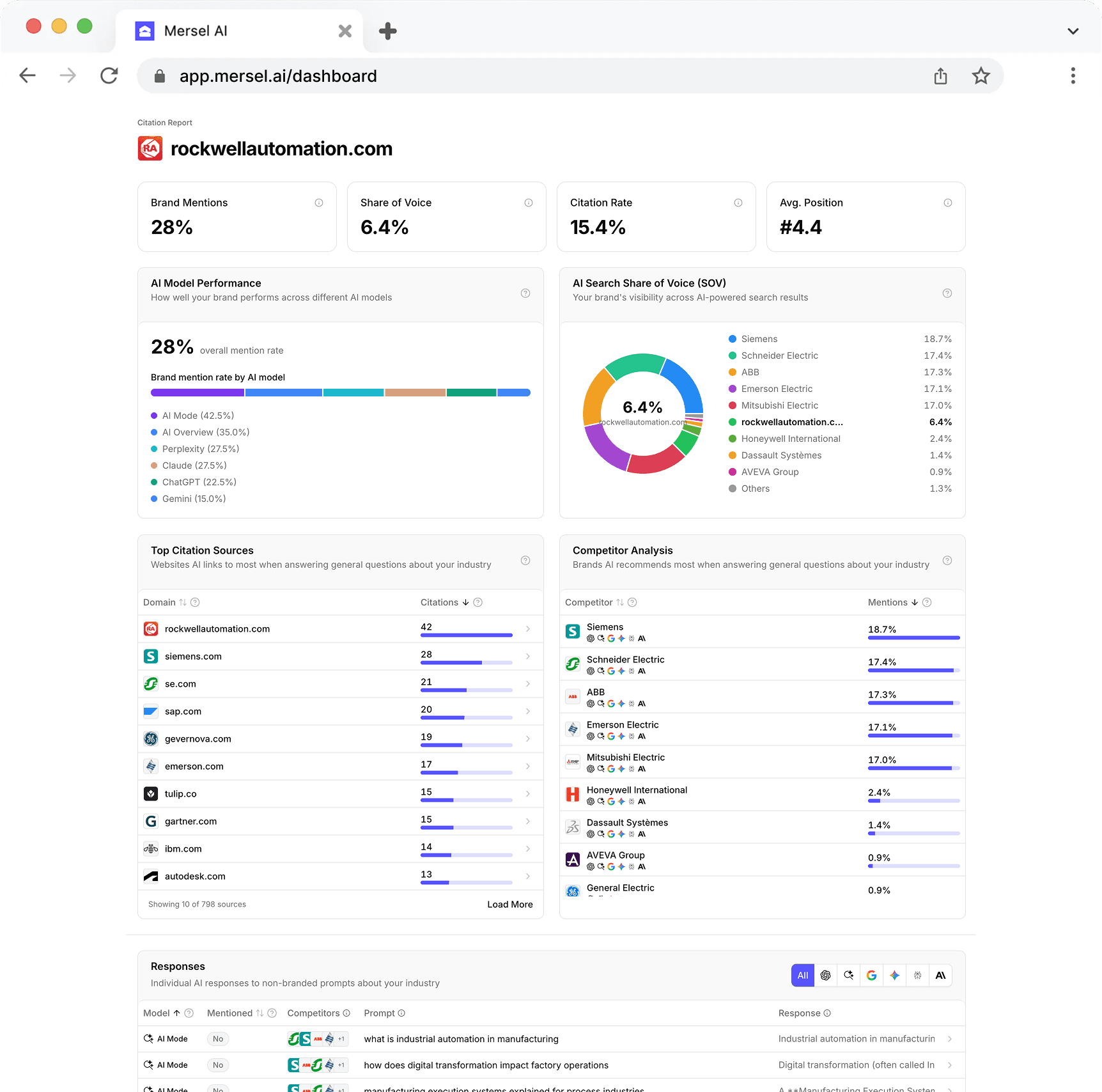
Mersel is an enterprise AI agent for AI search. This is its command center: brand mentions, share of voice, and citation rate tracked across every model — ChatGPT, Perplexity, Gemini — for one brand. I started the company and lead product and design from the ground up.
An AI revenue agent that works the new search surface.
Mersel is an enterprise AI agent for AI search. This is its command center: brand mentions, share of voice, and citation rate tracked across every model — ChatGPT, Perplexity, Gemini — for one brand. I started the company and lead product and design from the ground up.
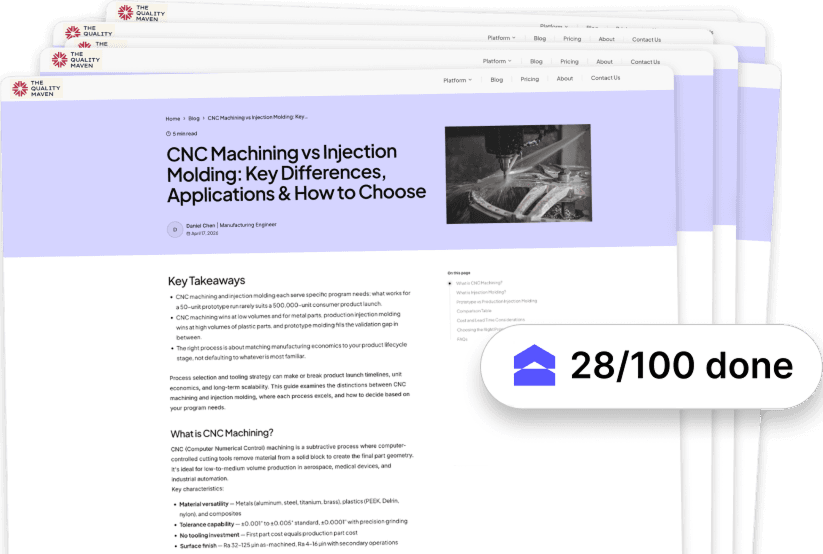
The hardest design problem was authoring. The agent researches a brand and writes content structured so an AI engine can parse and quote it — at volume, twenty-eight of a hundred pages here. The work is autonomous, but a human still has to steer it and trust it, so I built the surface around that progress and review.
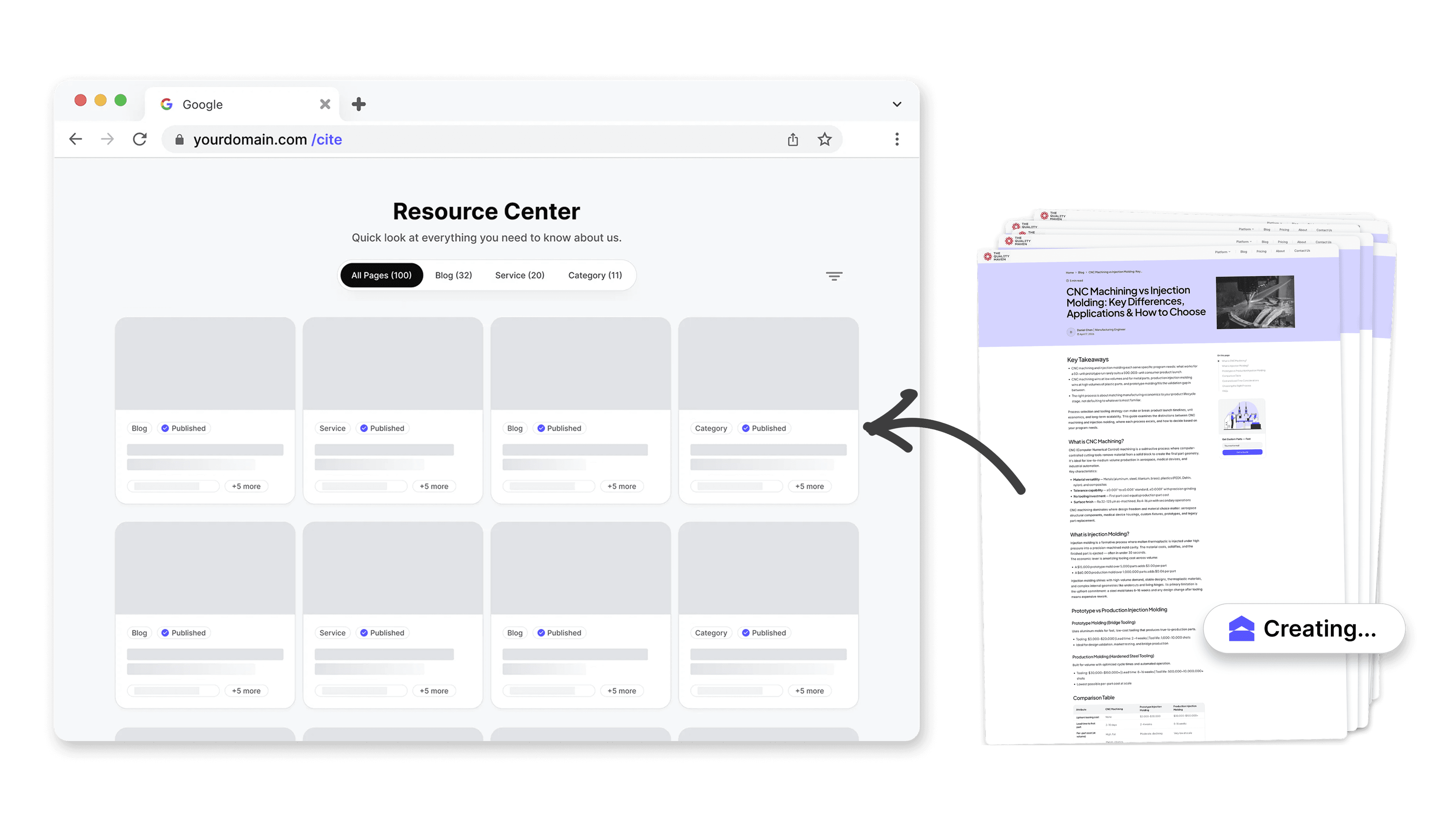
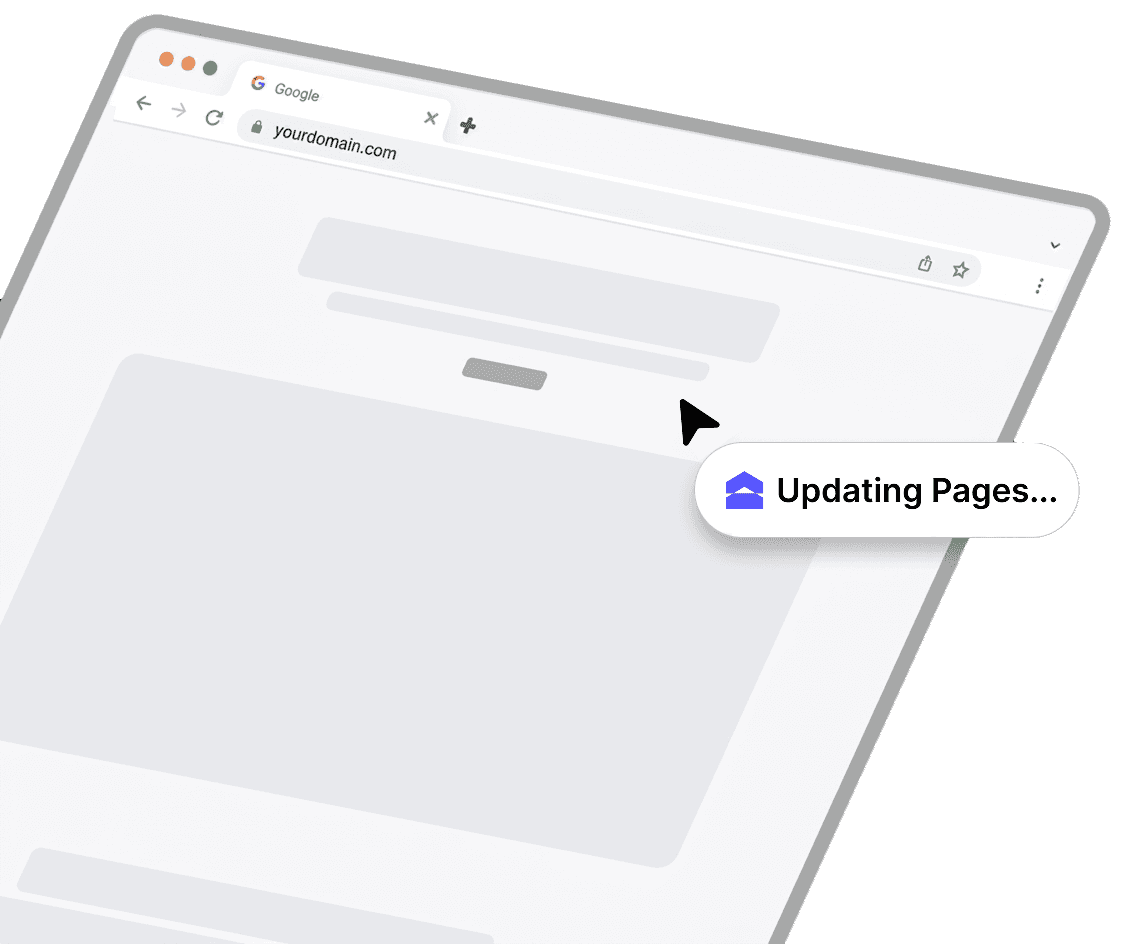
Once written, the agent publishes the pages to the brand's own site as a resource center — on their domain, in their design. The decision here was to make the agent's output look native: not a third-party widget, but pages a company would be proud to host.
It doesn't stop at publish. The agent keeps the pages current as the brand and the models shift — updating, re-citing, re-ranking. Designing for an always-running agent meant showing that work is happening without turning the interface into noise.
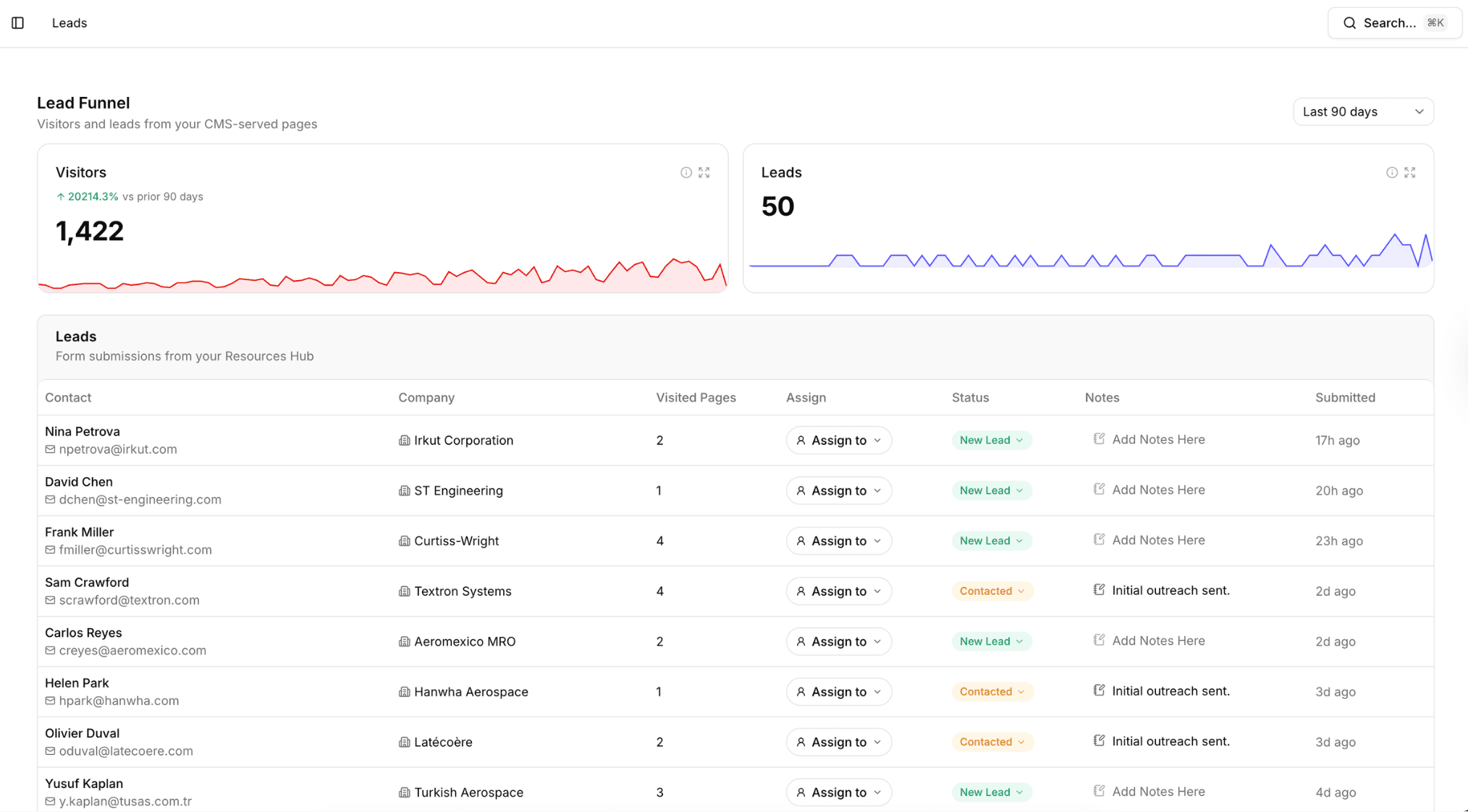
AI visibility only matters if it converts. The funnel ties the whole loop back to revenue — visitors arriving from AI-cited pages, and the leads they become. The design job was to make a channel no one can watch directly read as concrete pipeline a sales team can act on.
This is the proof. Each lead carries its page journey — the exact AI-cited page that brought them in, from first landing to submission. Closing that attribution loop is what makes an invisible channel believable: you can point at the citation that produced the deal.
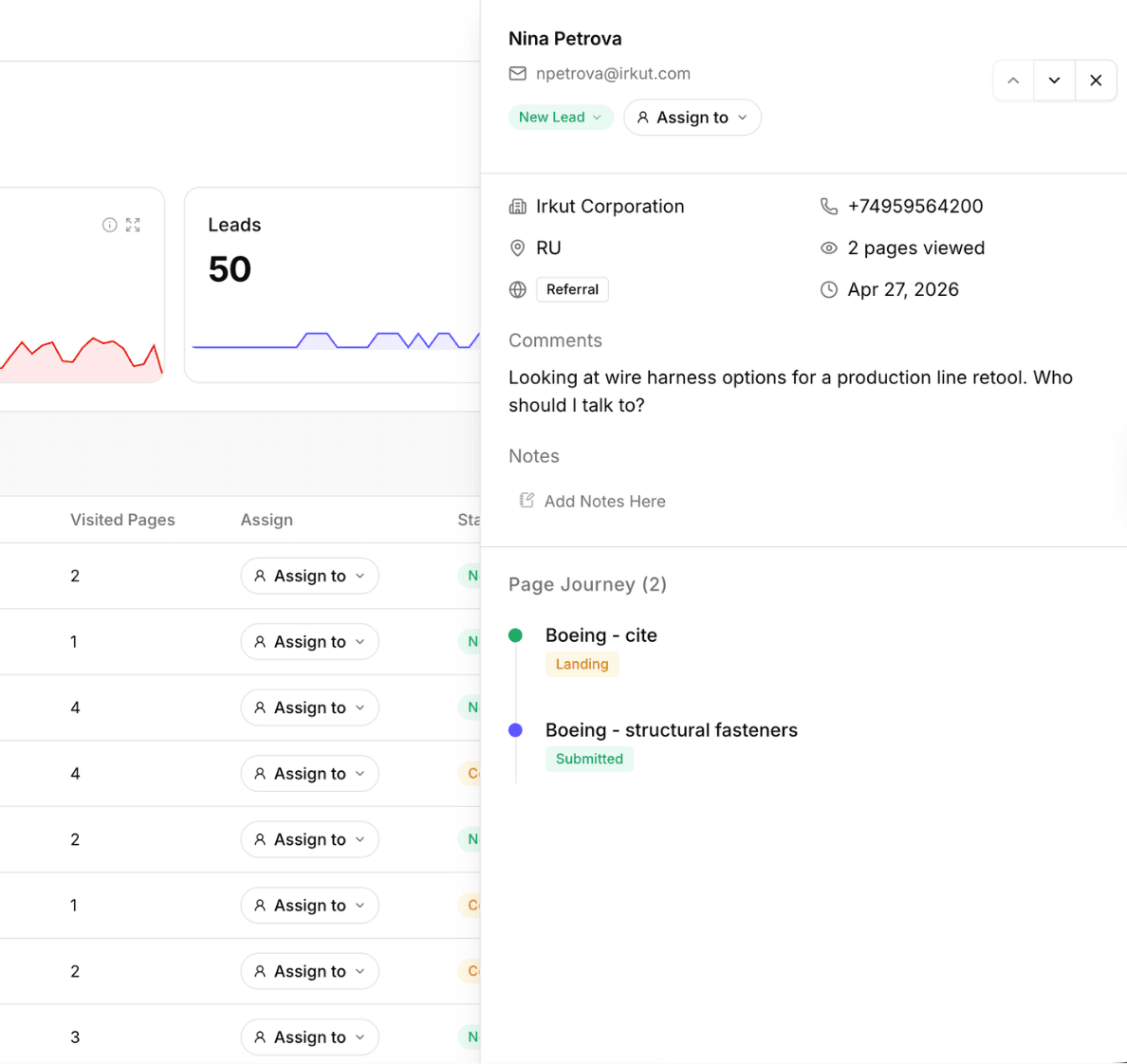
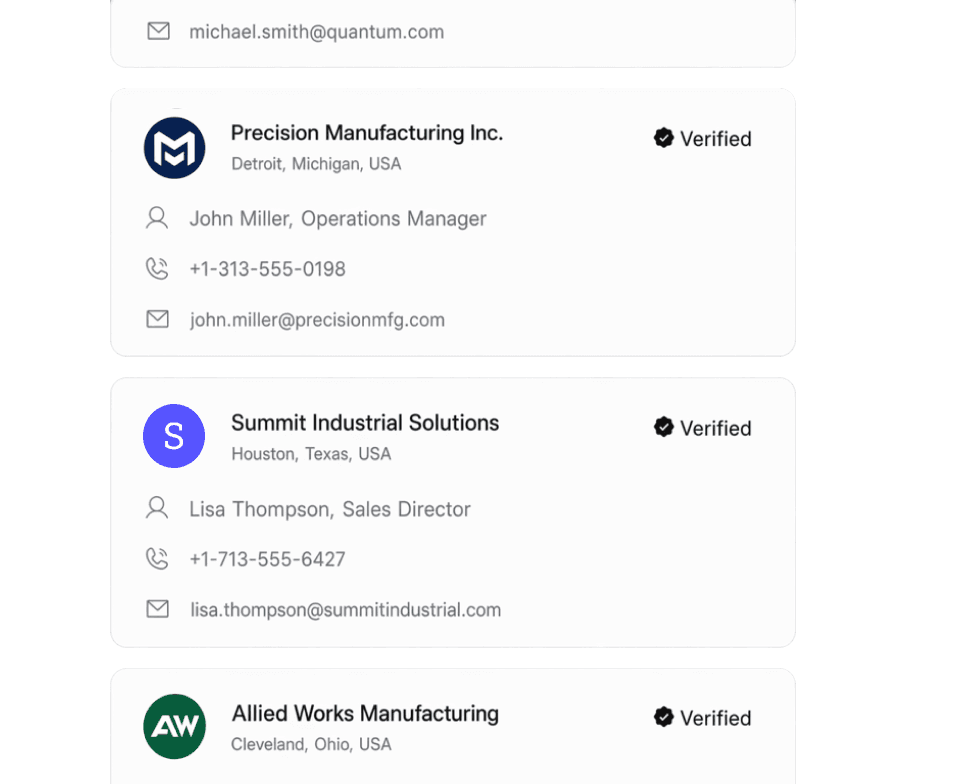
The loop ends as named, verified companies handed to sales — real buyers, not anonymous traffic. I shaped the product narrative end to end, designed every surface, and built the brand and marketing site so the whole thing reads as one system: an agent that owns a channel, from the first audit to the last citation.